

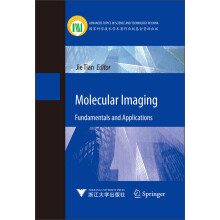
Molecular Imaging:Fundamentals and Applications(分子影像技术及其应用)
目 录内容简介
Part I Molecular Imaging Theory and System
1 Introduction
1.1 Development of Molecular Imaging
1.2 Advantages of Molecular Imaging
1.3 Basic Pfinciples of Molecular Imaging Modalities
1.4 Generous Development of Molecular Imaging Probe
1.5 Application Involving Molecular Imaging
References
2 Molecular Optical Simulation Environment
2.1 Introduction
2.2 Review of the Current Simulation PlatforlTl
2.3 Introduction 0fMOSE
2.4 Introduction of the Algorithm
2.5 Validation of the Simulation Experiment Results.
References
3 Diffuse Optical Tomography
3.1 Outline
3.2 Medical Background and Optical Properties of Human Tissue
3.3 Photon Tra_port Model in Tissues and Image Reco_truction
Algorithms
3.4 Simulative and Experimental Tomographic and Topographic
Imaging on a Phantom
References
4 Fluorescence Molecular Tomography
4.1 Overview
4.2 Fundamental Principles in Fluorescence Molecular Tomography
4.3 Experimental System in Fluorescence Molecular Tomography.
4.4 The Reco_truction Algorithms in Fluorescence Molecular Tomography
4.5 Experiment in Fluorescence Molecular Tomography References
5 Bioluminescenee Tomography
5.I Introduction
5.2 The Forward Model for BLT
5.3 BLT Reco_truction Algorithms
5.4 Experiments and Applicatio_
References
6 Positron Emission Tomography
6.1 Prologue
6.2 The Principle of PET
6.3 Positron Emission Tomography Scanner
6.4 Reco_truction Algorithms and Correction Techniques in PET
6.5 PET/CT Image Fusion
6.6 Experimental PET Imaging References
7 Radioisotope Labeled Molecular Imaging in SPECT
7.1 Outline of Molecular Imaging in SPECT
7.2 Key Technologies of Animal Pinhole SPECT References
8 MRI Facility-Based Molecular Imaging.
8.1 Outline of the MIU Facility-Based Molecular Imaging
8.2 Main m MgI Contrasts.
References.
9 Other Molecular Imaging Technology
9.1 Photo acoustic Tomography
9.2 Optical Coherence Tomography
9.3 Confocal Laser Scanning Microscopy.
9.4 Ultrasound in Molecular Imaging.
9.5 X-Ray Micro-Computed Tomography.
References.
10 Optical Multi-Modality Molecular Imaging
10.1 Fusion of BLT and Nicro-CT System
10.2 Fusion of DOT and BLT Systems
10.3 Multi-Mod~ity Imaging of FMT and CT
10.4 Image Registration and Fusion Between SPECT and CT.
References
11 Medical Image Processing and Analysis
11.1 Overview.
11.2 Medical Image Segmentation
11.3 Medical Image Registration
11.4 New Techniques ofImage Fusion
11.5 Medical Image Visualization.
Reference
PartII Molecular Probes
12 Opportunities and Challenges of Radiolabeled Molecular Probes
12.1 Introduction
12.2 The Opportunities ofRadiolabeled Molecular Probes.
12.3 The Challenges ofRadiolabeled Molecular Probes
12.4 Summary.
References
13 oli20nucleotide Probes
13.1 Design Principle ofOligonucleotide Probes
13.2 Anti.Nuclease Modification ofOligonucleotide Probes
13.3 Delivery ofProbes into Cells
References
14 Quantum Dots for Biological Imaging
14.1 ODs Based on CdTe
14.2 ODs Based on CdSe
14.3 ODs Based on CdSe/ZnS
14.4 QDs Based on CdSe/CdS/ZnS
14.5 0Ds Based on InP/ZnS
14.6 QDs Based on CdHgTe
14.7 ODs Based on Lead Salts
14.8 Other QDs
References
15 RGD-Based Molecular Probes for Integr in 醰
15.1 Introduction
15.2 Multi-Modality RGD Probes Targeting Integrin 醰
15.3 Dual Functional RGD Probes for Integrin 醰
15.4 Optimizmion OfRGD Probes
15.5 Conclusio_ and Future Pe_pectives
References
Part III Applicatio_ of Molecular Imaging.
16 Basics of Molecular Biology
16.1 Introduction.
16.2 Techniques ofMolecular Biology.
16.3 Cells and Viruses
16.4 Tra_cription
16.5 Tra_cription and Tra_lation in Eukaryotes
16.6 Post.Tra_criptional Events
16.7 DNA Replication and Recombination
16.8 DNA Damage and Repair
16.9 Tra_iation
References.
17 Molecular Imaging Techniques in Clinical Practice of Tumo
17.1 Application of Molecular Imaging Techniques in Tumor
Diagnosis and Differentiation
17.2 Application of Molecular Imaging Techniques in the Clinical
Staging of Malignancies
17.3 Application of Molecular Imaging Techniques in Lymph Nodes
Evaluation
17.4 Application of Molecular Imaging Techniques in Tumor
Therapeutic Monitoring and Efficacy Evaluation
17.5 Application of Molecular Imaging Techniques in Other Aspects
Of Cancer Therapy
17.6 Conclusio_ and Prospects.
References
18 Using Molecular Imaging Techniques to Study Protein-Protein
Interactio_.
18.1 The Yeast Two-Hybrid System.
18.2 FRET
18.3 BRET
18.4 PCA
18.5 Concluding Remarks
References
19 Application of Molecular Imaging in Tra_genic Animals
19.1 The Stem Cells
19.2 Molecular Imaging in Stem Cell Research for Heart Repair
19.3 Molecular Imaging in Stem Cell Research for Kidney Repair
19.4 Molecular Imaging in Stem Cell Research for Liver Repair
19.5 Molecular Imaging in Neural Stem Cell Research
19.6 Conclusion
References.
20 Molecular Imaging Methods in Diabetes-Related Studies
20.1 Molecular Imaging Applicatio in Diabetes-Related Fundamental
Research
20.2 Molecular Imaging Assists Diabetic-Related Therapeutic Research
20.3 Recent Advances in Molecular Imaging.
20.4 Concluding Remarks
References
Index
1 Introduction
1.1 Development of Molecular Imaging
1.2 Advantages of Molecular Imaging
1.3 Basic Pfinciples of Molecular Imaging Modalities
1.4 Generous Development of Molecular Imaging Probe
1.5 Application Involving Molecular Imaging
References
2 Molecular Optical Simulation Environment
2.1 Introduction
2.2 Review of the Current Simulation PlatforlTl
2.3 Introduction 0fMOSE
2.4 Introduction of the Algorithm
2.5 Validation of the Simulation Experiment Results.
References
3 Diffuse Optical Tomography
3.1 Outline
3.2 Medical Background and Optical Properties of Human Tissue
3.3 Photon Tra_port Model in Tissues and Image Reco_truction
Algorithms
3.4 Simulative and Experimental Tomographic and Topographic
Imaging on a Phantom
References
4 Fluorescence Molecular Tomography
4.1 Overview
4.2 Fundamental Principles in Fluorescence Molecular Tomography
4.3 Experimental System in Fluorescence Molecular Tomography.
4.4 The Reco_truction Algorithms in Fluorescence Molecular Tomography
4.5 Experiment in Fluorescence Molecular Tomography References
5 Bioluminescenee Tomography
5.I Introduction
5.2 The Forward Model for BLT
5.3 BLT Reco_truction Algorithms
5.4 Experiments and Applicatio_
References
6 Positron Emission Tomography
6.1 Prologue
6.2 The Principle of PET
6.3 Positron Emission Tomography Scanner
6.4 Reco_truction Algorithms and Correction Techniques in PET
6.5 PET/CT Image Fusion
6.6 Experimental PET Imaging References
7 Radioisotope Labeled Molecular Imaging in SPECT
7.1 Outline of Molecular Imaging in SPECT
7.2 Key Technologies of Animal Pinhole SPECT References
8 MRI Facility-Based Molecular Imaging.
8.1 Outline of the MIU Facility-Based Molecular Imaging
8.2 Main m MgI Contrasts.
References.
9 Other Molecular Imaging Technology
9.1 Photo acoustic Tomography
9.2 Optical Coherence Tomography
9.3 Confocal Laser Scanning Microscopy.
9.4 Ultrasound in Molecular Imaging.
9.5 X-Ray Micro-Computed Tomography.
References.
10 Optical Multi-Modality Molecular Imaging
10.1 Fusion of BLT and Nicro-CT System
10.2 Fusion of DOT and BLT Systems
10.3 Multi-Mod~ity Imaging of FMT and CT
10.4 Image Registration and Fusion Between SPECT and CT.
References
11 Medical Image Processing and Analysis
11.1 Overview.
11.2 Medical Image Segmentation
11.3 Medical Image Registration
11.4 New Techniques ofImage Fusion
11.5 Medical Image Visualization.
Reference
PartII Molecular Probes
12 Opportunities and Challenges of Radiolabeled Molecular Probes
12.1 Introduction
12.2 The Opportunities ofRadiolabeled Molecular Probes.
12.3 The Challenges ofRadiolabeled Molecular Probes
12.4 Summary.
References
13 oli20nucleotide Probes
13.1 Design Principle ofOligonucleotide Probes
13.2 Anti.Nuclease Modification ofOligonucleotide Probes
13.3 Delivery ofProbes into Cells
References
14 Quantum Dots for Biological Imaging
14.1 ODs Based on CdTe
14.2 ODs Based on CdSe
14.3 ODs Based on CdSe/ZnS
14.4 QDs Based on CdSe/CdS/ZnS
14.5 0Ds Based on InP/ZnS
14.6 QDs Based on CdHgTe
14.7 ODs Based on Lead Salts
14.8 Other QDs
References
15 RGD-Based Molecular Probes for Integr in 醰
15.1 Introduction
15.2 Multi-Modality RGD Probes Targeting Integrin 醰
15.3 Dual Functional RGD Probes for Integrin 醰
15.4 Optimizmion OfRGD Probes
15.5 Conclusio_ and Future Pe_pectives
References
Part III Applicatio_ of Molecular Imaging.
16 Basics of Molecular Biology
16.1 Introduction.
16.2 Techniques ofMolecular Biology.
16.3 Cells and Viruses
16.4 Tra_cription
16.5 Tra_cription and Tra_lation in Eukaryotes
16.6 Post.Tra_criptional Events
16.7 DNA Replication and Recombination
16.8 DNA Damage and Repair
16.9 Tra_iation
References.
17 Molecular Imaging Techniques in Clinical Practice of Tumo
17.1 Application of Molecular Imaging Techniques in Tumor
Diagnosis and Differentiation
17.2 Application of Molecular Imaging Techniques in the Clinical
Staging of Malignancies
17.3 Application of Molecular Imaging Techniques in Lymph Nodes
Evaluation
17.4 Application of Molecular Imaging Techniques in Tumor
Therapeutic Monitoring and Efficacy Evaluation
17.5 Application of Molecular Imaging Techniques in Other Aspects
Of Cancer Therapy
17.6 Conclusio_ and Prospects.
References
18 Using Molecular Imaging Techniques to Study Protein-Protein
Interactio_.
18.1 The Yeast Two-Hybrid System.
18.2 FRET
18.3 BRET
18.4 PCA
18.5 Concluding Remarks
References
19 Application of Molecular Imaging in Tra_genic Animals
19.1 The Stem Cells
19.2 Molecular Imaging in Stem Cell Research for Heart Repair
19.3 Molecular Imaging in Stem Cell Research for Kidney Repair
19.4 Molecular Imaging in Stem Cell Research for Liver Repair
19.5 Molecular Imaging in Neural Stem Cell Research
19.6 Conclusion
References.
20 Molecular Imaging Methods in Diabetes-Related Studies
20.1 Molecular Imaging Applicatio in Diabetes-Related Fundamental
Research
20.2 Molecular Imaging Assists Diabetic-Related Therapeutic Research
20.3 Recent Advances in Molecular Imaging.
20.4 Concluding Remarks
References
Index
目 录内容简介
Jie Tian Editor《Molecular Imaging》 Fundamentals and Applications is a comprehen-sive monograph which describes not only the theory of the under-lying algorithms and key technologies but also introduces a prototype system and its applications,bringing together theory,technology and applications.
比价列表


公众号、微信群
 缺书网
缺书网微信公众号
 扫码进群
扫码进群实时获取购书优惠