

评估语言:英语评价系统(英文版)
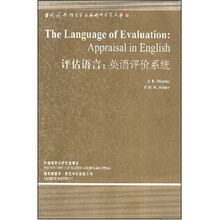
作者:(澳)马丁(Martin,J.R.),(澳)怀特(White,P.R.R.) 著
出版:外语教学与研究出版社 2008.8
丛书:当代国外语言学与应用语言学文库
页数:278
定价:32.90 元
ISBN-13:9787560077390
ISBN-10:7560077390 去豆瓣看看
出版:外语教学与研究出版社 2008.8
丛书:当代国外语言学与应用语言学文库
页数:278
定价:32.90 元
ISBN-13:9787560077390
ISBN-10:7560077390 去豆瓣看看
List of Figures
List of Tables
Acknowledgements
Preface
1Introduction
1.1Modelling appraisal resources
1.2Appraisal in a functional model of language
1.3Situating appraisal in SFL
1.4Appraisal - an overview
1.5Appraisal and other traditions of evaluative language analysis
1.6Outline of this book
2Attitude: Ways of Feeling
2.1Kinds of feeling
2.2 Affect
2.3 Judgement
2.4Appreciation
2.5Borders
2.6Indirect realisations
2.7Beyond attitude
2.8Analysing attitude
3Engagement and Graduation: Alignment, Solidarity and the Construed Reader
3.1Introduction: a dialogic perspective
3.2 Value position, alignment and the putative reader
3.3 The resources of intersubjective stance: an overview of engagement
3.4 Engagement and the dialogistic status of bare assertions
3.5Heteroglossia: dialogic contraction and expansion
3.6Entertain: the dialogistic expansiveness of modalityand evidentiality
3.7 Dialogistic expansion through the externalisedproposition - attribution
3.8The resources of dialogic contraction - overview:disclaim and proclaim
3.9 Disclaim: deny (negation)
3.10Disclaim: counter
3.11Proclaim: concur, pronounce and endorse
3.12Proclaim: concur
3.13Proclaim: endorsement
3.14Proclaim: pronounce
3.15Engagement, intertextuality and the grammar ofreported speech
3.16Graduation: an overview
3.17Graduation: focus
3.18Graduation: force- intensification and quantification
3.19Force: intensification
3.20Force: quantification
3.21Force (intensification and quantification),attitude and writer-reader relationships
3.22Analysing intersubjective positioning
4Evaluative Key: Taking a Stance
4.1 Introduction
4.2 Evaluative key in journalistic discourse the voices of news, analysis and ommentary
4.3 Evaluative key and the discourses of secondary-school history
4.4 Stance
4.5 Signature
4.6 Evaluation and reaction
4.7 Coda ...
5Enacting Appraisal: Text Analysis
5.1 Appraising discourse
5.2 War or Peace: a rhetoric of grief and hatred
5.3 Mourning: an unfortunate case of keystone cops
5.4 Envoi
References
Index
List of Tables
Acknowledgements
Preface
1Introduction
1.1Modelling appraisal resources
1.2Appraisal in a functional model of language
1.3Situating appraisal in SFL
1.4Appraisal - an overview
1.5Appraisal and other traditions of evaluative language analysis
1.6Outline of this book
2Attitude: Ways of Feeling
2.1Kinds of feeling
2.2 Affect
2.3 Judgement
2.4Appreciation
2.5Borders
2.6Indirect realisations
2.7Beyond attitude
2.8Analysing attitude
3Engagement and Graduation: Alignment, Solidarity and the Construed Reader
3.1Introduction: a dialogic perspective
3.2 Value position, alignment and the putative reader
3.3 The resources of intersubjective stance: an overview of engagement
3.4 Engagement and the dialogistic status of bare assertions
3.5Heteroglossia: dialogic contraction and expansion
3.6Entertain: the dialogistic expansiveness of modalityand evidentiality
3.7 Dialogistic expansion through the externalisedproposition - attribution
3.8The resources of dialogic contraction - overview:disclaim and proclaim
3.9 Disclaim: deny (negation)
3.10Disclaim: counter
3.11Proclaim: concur, pronounce and endorse
3.12Proclaim: concur
3.13Proclaim: endorsement
3.14Proclaim: pronounce
3.15Engagement, intertextuality and the grammar ofreported speech
3.16Graduation: an overview
3.17Graduation: focus
3.18Graduation: force- intensification and quantification
3.19Force: intensification
3.20Force: quantification
3.21Force (intensification and quantification),attitude and writer-reader relationships
3.22Analysing intersubjective positioning
4Evaluative Key: Taking a Stance
4.1 Introduction
4.2 Evaluative key in journalistic discourse the voices of news, analysis and ommentary
4.3 Evaluative key and the discourses of secondary-school history
4.4 Stance
4.5 Signature
4.6 Evaluation and reaction
4.7 Coda ...
5Enacting Appraisal: Text Analysis
5.1 Appraising discourse
5.2 War or Peace: a rhetoric of grief and hatred
5.3 Mourning: an unfortunate case of keystone cops
5.4 Envoi
References
Index
本书由James R.Martin和Peter R.R.White师生合著。Martin 1950年出生在加拿大新不伦瑞克省圣斯蒂芬市,1968年考取多伦多的约克大学格伦顿学院。他从英语系主任Michael Gregory那里第一次接受了Halliday的语言学思想,同时,又从Henry Allen Gleason,的学生Waldemar Gutwinski那里接受了关于语篇结构的理论。大学毕业以后,他到多伦多大学师从Gleason进一步学习语篇分析。1975年,他获得硕士学位后,前往英国艾塞克斯跟随Halliday攻读博士学位。这期间他有一年半时间在加拿大跟Gleason做研究,然后随.Halliday到悉尼,在那里完成了学业。此后,他一直在悉尼大学语言学系任教。2000年晋升教授,并当选澳大利亚人文科学院院士。2003年因为在语言学和哲学领域的贡献荣获澳大利亚联邦建国百年特殊贡献奖。
White 1956年出生,曾在澳大利亚的报纸和电台担任过记者、编辑,并在澳大利亚特别节目广播事业局(SpeciM Broadcasting Service,SBS)担任过培训新闻工作者的教官。1998年他以论文((讲述媒体故事——作为修辞的新闻故事》(’Telling media tales:the news story as rhetoric)在悉尼大学获博士学位。此后,他在英国伯明翰大学讲授了7年语言学和英语课程,现在澳大利亚阿德莱德大学语言学系担任讲师。
两人的学术背景决定了他们的学术兴趣。他们对系统功能语法和语篇分析都有精辟、独到的研究,因此特别关注如何把这两者进行有机的结合。Martin从1979年开始在悉尼大学讲授自己对这个问题的认识,把这门课称为“语篇语义学”(discourse semantics)。1992年他把这门课程的讲稿整理出版,定名为《英语篇章——系统与结构》(English Text?System and跏ucture)。
White 1956年出生,曾在澳大利亚的报纸和电台担任过记者、编辑,并在澳大利亚特别节目广播事业局(SpeciM Broadcasting Service,SBS)担任过培训新闻工作者的教官。1998年他以论文((讲述媒体故事——作为修辞的新闻故事》(’Telling media tales:the news story as rhetoric)在悉尼大学获博士学位。此后,他在英国伯明翰大学讲授了7年语言学和英语课程,现在澳大利亚阿德莱德大学语言学系担任讲师。
两人的学术背景决定了他们的学术兴趣。他们对系统功能语法和语篇分析都有精辟、独到的研究,因此特别关注如何把这两者进行有机的结合。Martin从1979年开始在悉尼大学讲授自己对这个问题的认识,把这门课称为“语篇语义学”(discourse semantics)。1992年他把这门课程的讲稿整理出版,定名为《英语篇章——系统与结构》(English Text?System and跏ucture)。
《评估语言:英语评价系统》(英文版)以崭新的视角揭示了评估性语言的本质及其社会功能和修辞功能,重新诠释了情态、让步、否定等语义学概念,并通过对选自新闻、政治报道、学术著作、小说等文本的分析,清晰阐明了评价系统在文本分析中的应用,是了解、研究语篇语义学的必读书目。
比价列表


公众号、微信群
 缺书网
缺书网微信公众号
 扫码进群
扫码进群实时获取购书优惠