

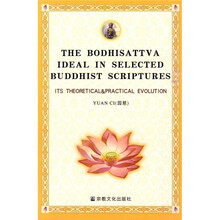
佛典中的菩萨思想:理论与实践的发展(英文)
目 录内容简介
This thesis consists of seven chapters. It is designed to survey andanalyse the teachings of the Bodhisattva ideal and its gradual developmentin selected Buddhist scriptures. The main issues related to the evolution ofthe teachings of the Bodhisattva ideal. The Bodhisattva doctrine andpractice are examined in six major stages. These stages correspond to thescholarly periodisation of Buddhist thought in India, namely (1)Bodhisattvas qualities and career in the early scriptures, (2) the debatesconcerning the Bodhisattva in the early schools, (3) the early Mahāyānaportrayal of the Bodhisattva and the acceptance of the six perfections, (4)the Bodhisattva doctrine in the earlier prajnāpārāmitā-sūtras, (5) theBodhisattva practices in the later prajnāpārām texts, and (6) theevolution of the six perfections (pāramitā) in a wide range of Mahāyānatexts. Chapter seven analyses the developed theoriesof three perfections:sila, dhyāma an dpāramitā. The debate on the Bodhisattva ideal in the secondcentury is also examined in each chapter. During the formation of theBodhisattva practices, two systems of perfections (pāramitās) arose inBuddhist scriptures and history. In all probability the system of sixperfections was formed before that of ten perfections, and became morediffused in Mahpāramitāyana scriptures.. The Bodhisattva ideal evolved fordifferent reasons, but chiefly in response to religious tendencies, demands,and necessities of cultures and historical periods in which the Bodhisattvaideal flourished. The Bodhisattvas wisdom artd compassion as ideologyand method in generating the benefit of sentient beings, arguably constitutethe basis of Bodhisattva philosophy and practice. The scriptures selected forinvestigation not only present diversified teachings and features of theBodhisattva ideal, but result in a systematic model that improves ourunderstanding of their evolution.
比价列表


公众号、微信群
 缺书网
缺书网微信公众号
 扫码进群
扫码进群实时获取购书优惠