

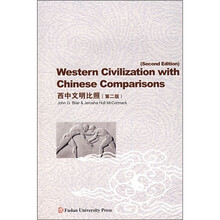
西中文明比照(第2版)(附光盘1张)
目 录内容简介
Dedication to Professor Ding Wangdao
独具一格的奇书:西中文明比较教材
Authors Preface
Liberal Arts Education
Immigrant Experience in Europe
Engagement with China
The Connection Between the CoAuthors
Chapter 1 Overall Introduction
Introduction
Study One Civilization or Two
Why This Comparison Now
From a Chinese Point of View
From a Western Point of View
Cultural Pluralism
Modernity Is Different in China and in the West
The Primary Goal of Comparative Civilization Studies
Western Thought Patterns in WCwCC
Caveats[warnings]
Preparatory Skills
Chapter 2 Technical Features, CDROM Text
Introduction
1. Installation
1.1 Installing Adobe Reader 8.0
1.2 Calling Up WCwCC
2. OnScreen Reading
2.1 Navigation Bar (at the top of the screen)
2.2 Vertical Navigation Aids
2.3 Commenting and MarkUp
2.4 Adjusting the Viewing Conditions
2.5 Clickable Links
2.6 Moving Up and Down
2.7 Looking Up Unfamiliar Words
2.8 SEARCH versus FIND
3. Copying or Printing
Chapter 3WCwCC as a University Course
How to Approach a Reading in WCwCC
1. Inspection
2. Interpretation
3. Comparison
4. Generalization
Modular Organization and Its Consequences
Format for Each Week's Readings
Recombining Cultural Elements Dispersed among Modules
Advice for Prospective Students and Teachers
SelfStudy versus InCourse Study
Understanding More Important Than Knowledge
Critical Thinking and Academic Writing in English
Introduction
Debate: the Concentrated Form of Western Argumentation
Comparative Guidelines for Argumentative Writing
The Basic Tripartite [threepart] Structure
The Model of Modern Science
Schematic Model for Structuring a Science Argument
An Alternative Model for Academic Papers: PUZZLE SOLVING
Schematic Model for Structuring a PuzzleSolving Argument
Constructing a Convincing Argument
Suggested Grading Criteria for Academic Essays in English
Conclusion
Chapter 4 Module Zero, 0.1 GROUNDWORK
Module 0.1.1 Working Concepts for Comparing Cultures
0.1.1.1 Mapping Ethnocentrism
0.1.1.2 Cultures and Civilizations: Definitions and Problems
0.1.1.3 Twelve Premises for Comparative Culture Studies
0.1.1.4 The Idea of a Cultural Construct
0.1.1.5 Worldviews and Paradigms
0.1.1.6 Modernity as a Touchstone Concept in WCwCC
0.1.1.7 The Place of History
0.1.1.8 False Friends
Module 0.1.2 Tentative Comparisons: China and the West
0.1.2.1 Guidelines for Credible Civilizational Comparisons
0.1.2.2 A ChineseBased Comparison: Prof. Gu Zhengkun's Seven Laws
0.1.2.3 Intersecting Cultural Constructs: DNA and the Yijing
0.1.2.4 Simplified Binary Comparisons: China and the West
Module 0.1.3 Intermediate Conclusion
Chapter 5 Modular Readings: Tables of Contents with Introductory Overviews
Module 1.1 CLASSICAL LANGUAGES: Chinese, Greek and Latin
Module 1.2 Modern Languages: Chinese and English
Module 2.1 Traditional Ideas about Education
Module 2.2 Modern Approaches to EDUCATION
Module 3.1 Traditional Ideas about Family and Gender
Module 3.2 Modern Views of Family and Gender
Module 4.1 Traditional Perspectives on Health and the Body
Module 4.2 Modern Concepts of Health and the Body
Module 5.1 Traditional Ideas about Human Nature
Module 5.2 Modern Views of Human Nature
Module 6.1 Traditional Concepts of Nature
Module 6.2 Modern Views of Nature
Module 7.1 Traditional Economics
Module 7.2 Modern Economics
Module 8.1 Traditional Governance
Module 8.2 Modern Governance
Module 9.1 Traditional Views of Law
Module 9.2 Modern Concepts of Law
Module 10.1 Traditional Concepts of Death
Module 10.2 Modern Perspectives on Death
Module 11.1 Traditional Values
Module 11.2 Modern Values
Module 12.1 Traditional Worldviews
Module 12.2 Modern Worldviews
Module 13.1 Traditional Ideas of Knowledge
Module 13.2 Modern Approaches to Knowledge
Appendix
独具一格的奇书:西中文明比较教材
Authors Preface
Liberal Arts Education
Immigrant Experience in Europe
Engagement with China
The Connection Between the CoAuthors
Chapter 1 Overall Introduction
Introduction
Study One Civilization or Two
Why This Comparison Now
From a Chinese Point of View
From a Western Point of View
Cultural Pluralism
Modernity Is Different in China and in the West
The Primary Goal of Comparative Civilization Studies
Western Thought Patterns in WCwCC
Caveats[warnings]
Preparatory Skills
Chapter 2 Technical Features, CDROM Text
Introduction
1. Installation
1.1 Installing Adobe Reader 8.0
1.2 Calling Up WCwCC
2. OnScreen Reading
2.1 Navigation Bar (at the top of the screen)
2.2 Vertical Navigation Aids
2.3 Commenting and MarkUp
2.4 Adjusting the Viewing Conditions
2.5 Clickable Links
2.6 Moving Up and Down
2.7 Looking Up Unfamiliar Words
2.8 SEARCH versus FIND
3. Copying or Printing
Chapter 3WCwCC as a University Course
How to Approach a Reading in WCwCC
1. Inspection
2. Interpretation
3. Comparison
4. Generalization
Modular Organization and Its Consequences
Format for Each Week's Readings
Recombining Cultural Elements Dispersed among Modules
Advice for Prospective Students and Teachers
SelfStudy versus InCourse Study
Understanding More Important Than Knowledge
Critical Thinking and Academic Writing in English
Introduction
Debate: the Concentrated Form of Western Argumentation
Comparative Guidelines for Argumentative Writing
The Basic Tripartite [threepart] Structure
The Model of Modern Science
Schematic Model for Structuring a Science Argument
An Alternative Model for Academic Papers: PUZZLE SOLVING
Schematic Model for Structuring a PuzzleSolving Argument
Constructing a Convincing Argument
Suggested Grading Criteria for Academic Essays in English
Conclusion
Chapter 4 Module Zero, 0.1 GROUNDWORK
Module 0.1.1 Working Concepts for Comparing Cultures
0.1.1.1 Mapping Ethnocentrism
0.1.1.2 Cultures and Civilizations: Definitions and Problems
0.1.1.3 Twelve Premises for Comparative Culture Studies
0.1.1.4 The Idea of a Cultural Construct
0.1.1.5 Worldviews and Paradigms
0.1.1.6 Modernity as a Touchstone Concept in WCwCC
0.1.1.7 The Place of History
0.1.1.8 False Friends
Module 0.1.2 Tentative Comparisons: China and the West
0.1.2.1 Guidelines for Credible Civilizational Comparisons
0.1.2.2 A ChineseBased Comparison: Prof. Gu Zhengkun's Seven Laws
0.1.2.3 Intersecting Cultural Constructs: DNA and the Yijing
0.1.2.4 Simplified Binary Comparisons: China and the West
Module 0.1.3 Intermediate Conclusion
Chapter 5 Modular Readings: Tables of Contents with Introductory Overviews
Module 1.1 CLASSICAL LANGUAGES: Chinese, Greek and Latin
Module 1.2 Modern Languages: Chinese and English
Module 2.1 Traditional Ideas about Education
Module 2.2 Modern Approaches to EDUCATION
Module 3.1 Traditional Ideas about Family and Gender
Module 3.2 Modern Views of Family and Gender
Module 4.1 Traditional Perspectives on Health and the Body
Module 4.2 Modern Concepts of Health and the Body
Module 5.1 Traditional Ideas about Human Nature
Module 5.2 Modern Views of Human Nature
Module 6.1 Traditional Concepts of Nature
Module 6.2 Modern Views of Nature
Module 7.1 Traditional Economics
Module 7.2 Modern Economics
Module 8.1 Traditional Governance
Module 8.2 Modern Governance
Module 9.1 Traditional Views of Law
Module 9.2 Modern Concepts of Law
Module 10.1 Traditional Concepts of Death
Module 10.2 Modern Perspectives on Death
Module 11.1 Traditional Values
Module 11.2 Modern Values
Module 12.1 Traditional Worldviews
Module 12.2 Modern Worldviews
Module 13.1 Traditional Ideas of Knowledge
Module 13.2 Modern Approaches to Knowledge
Appendix
目 录内容简介
《西中文明比照(第2版)》从中西文明两大体系的核心观念入手,跨文化地介绍了中西文明的概况;在阐述西方文明的同时,处处以中华文明为参照系;抓住了中西文明的整体外貌、基本特征和关键区别。《西中文明比照(第2版)》框架清晰、概念典型、例证精到。内附CD-ROM含有1000多页与主题紧密相连的翔实资料、图片。 CD-ROM内含作者在香港大学所作关于中西文明比较介绍的精彩讲座。
比价列表


公众号、微信群
 缺书网
缺书网微信公众号
 扫码进群
扫码进群实时获取购书优惠