

词汇飞跃现象研究
List of Abbreviations
Chapter 1 Introduction: Word Spurt in Early Lexical and Semantic Development
1.1 Word Spurt and Its Cognitive Significance
1.2 Scope of the Present Study
1.3 Theoretical and Methodological Considerations
1.4 Key Research Questions
1.5 Contents of the Remaining Chapters
Chapter 2 Two Theories of Word Learning
2.1 The Nativist Theory of Word Learning
2.2 The Usage-based Theory of Word Learning
2.3 An Assessment of the Two Theories of L1 Word Learning
2.4 Implications of Word Learning Theories for the Study of Word Spurt, Overextension and Basic-level Words
2.5 Summary
Chapter 3 The Analyses of Word Spurt: Methods and Hypotheses
3.1 Evidence for Word Spurt
3.2 Methods for Identifying Word Spurt
3.3 Word Spurt and the Onset of Two-word Stage
3.4 Word Spurt and Categorization Capabilities
3.5 Hypotheses About Mechanisms Underlying Word Spurt
3.6 Summary
Chapter 4 Word Spurt in Early Lexical and Semantic Development--Longitudinal Findings from Two Mandarin Speaking Children
4.1 Early Lexical Development
4.2 Early Semantic Development
4.3 Summary
Chapter 5 The Nature of Word Spurt--Empirical Evidence for Naming Insight
5.1 The Concept of Naming Insight
5.2 Ascertaining Naming Insight from Responses to Questions and Spontaneous Naming
5.3 Findings from Children's Responses to Questions and Spontaneous Naming
5.4 Naming Insight and Word Spurt
5.5 Summary
Chapter 6 General Conclusions and Discussion
6.1 Summary of Major Findings
6.2 The Nature of Word Spurt: Generalization and a Proposed Model
6.3 Implications of the Findings
6.4 Early Vocabulary Acquisition and Learning Mechanisms
6.5 Limitations of the Study
6.6 Suggestions for Further Study
Appendix 1 LSY's Newly-acquired Vocabulary Growth (Week)
Appendix 2 LSY's Rate of Newly-acquired Vocabulary Growth
Appendix 3 AJR's Newly-acquired Vocabulary Growth (Week)
Appendix 4 AJR's Rate of Newly-acquired Vocabulary Growth
Appendix 5 LSY's Responses to "What'*Questions
Appendix 6 AJR's Responses to "What" Questions
Appendix 7 LSY's Responses to "Where" Questions
Appendix 8 AJR's Responses to "Where" Questions
Appendix 9 LSY's Early Lexical Production (SPON vs IMIT)
Appendix 10 AJR's Early Lexical Production (SPON vs IMIT)
……
Chapter 1 Introduction: Word Spurt in Early Lexical and Semantic Development
1.1 Word Spurt and Its Cognitive Significance
1.2 Scope of the Present Study
1.3 Theoretical and Methodological Considerations
1.4 Key Research Questions
1.5 Contents of the Remaining Chapters
Chapter 2 Two Theories of Word Learning
2.1 The Nativist Theory of Word Learning
2.2 The Usage-based Theory of Word Learning
2.3 An Assessment of the Two Theories of L1 Word Learning
2.4 Implications of Word Learning Theories for the Study of Word Spurt, Overextension and Basic-level Words
2.5 Summary
Chapter 3 The Analyses of Word Spurt: Methods and Hypotheses
3.1 Evidence for Word Spurt
3.2 Methods for Identifying Word Spurt
3.3 Word Spurt and the Onset of Two-word Stage
3.4 Word Spurt and Categorization Capabilities
3.5 Hypotheses About Mechanisms Underlying Word Spurt
3.6 Summary
Chapter 4 Word Spurt in Early Lexical and Semantic Development--Longitudinal Findings from Two Mandarin Speaking Children
4.1 Early Lexical Development
4.2 Early Semantic Development
4.3 Summary
Chapter 5 The Nature of Word Spurt--Empirical Evidence for Naming Insight
5.1 The Concept of Naming Insight
5.2 Ascertaining Naming Insight from Responses to Questions and Spontaneous Naming
5.3 Findings from Children's Responses to Questions and Spontaneous Naming
5.4 Naming Insight and Word Spurt
5.5 Summary
Chapter 6 General Conclusions and Discussion
6.1 Summary of Major Findings
6.2 The Nature of Word Spurt: Generalization and a Proposed Model
6.3 Implications of the Findings
6.4 Early Vocabulary Acquisition and Learning Mechanisms
6.5 Limitations of the Study
6.6 Suggestions for Further Study
Appendix 1 LSY's Newly-acquired Vocabulary Growth (Week)
Appendix 2 LSY's Rate of Newly-acquired Vocabulary Growth
Appendix 3 AJR's Newly-acquired Vocabulary Growth (Week)
Appendix 4 AJR's Rate of Newly-acquired Vocabulary Growth
Appendix 5 LSY's Responses to "What'*Questions
Appendix 6 AJR's Responses to "What" Questions
Appendix 7 LSY's Responses to "Where" Questions
Appendix 8 AJR's Responses to "Where" Questions
Appendix 9 LSY's Early Lexical Production (SPON vs IMIT)
Appendix 10 AJR's Early Lexical Production (SPON vs IMIT)
……
曾涛,女,湖南大学外国语与国际教育学院英语专业教师,副教授,硕士生导师。广东外语外贸大学与香港中文大学联合培养博士,美国麻省理工学院博士后,国际中国语言学学会会员,中国心理语言学专业委员会理事,香港理工大学访问学者。主要研究方向:语言习得、特殊语言障碍、心理语言学、外语教学。主持国家社科基金项目1项、国家社科基金项目子项目1项、教育部人文社科研究青年基金项目1项、湖南省社科基金项目1项及多项校级课题。参与国家级、部省级以及香港合作基金项目6项。参编教材7部,在《现代外语》《当代语言学》等期刊上发表论文20余篇,其中人大复印资料全文转载2篇,1篇被《中国社会科学文摘》转载主要观点。
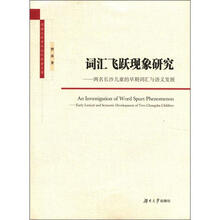
《词汇飞跃现象研究:两名长沙儿童的早期词汇与语义发展》通过描绘两名儿童在词汇飞跃时期表现出的系列语言发展特征,探究儿童早期词汇和语义的发展规律,同时,探索词汇飞跃背后的习得机制,对命名洞察力的现实性进行了深入考察,以期在一定程度上揭示词汇飞跃现象的本质。
比价列表


公众号、微信群
 缺书网
缺书网微信公众号
 扫码进群
扫码进群实时获取购书优惠